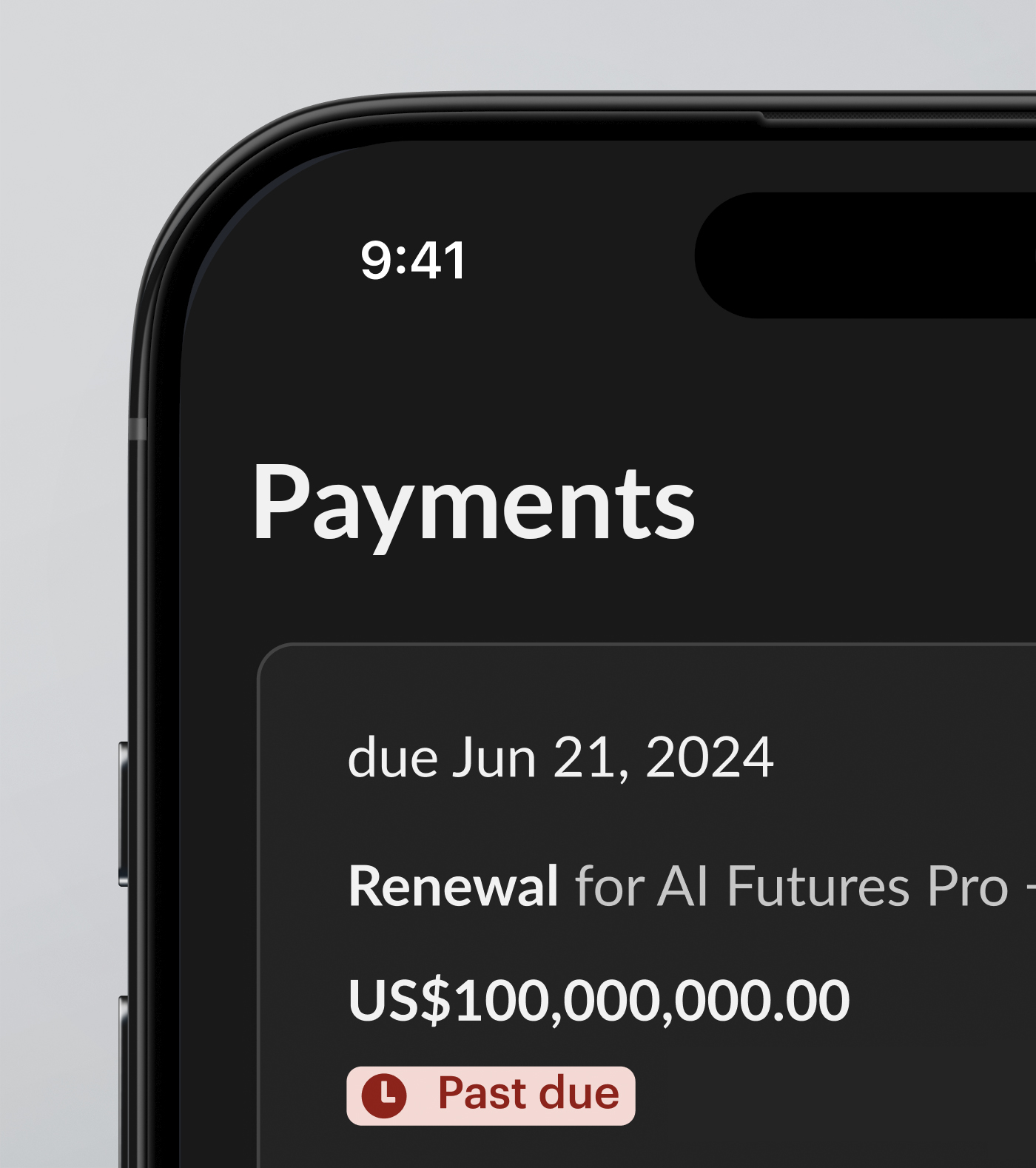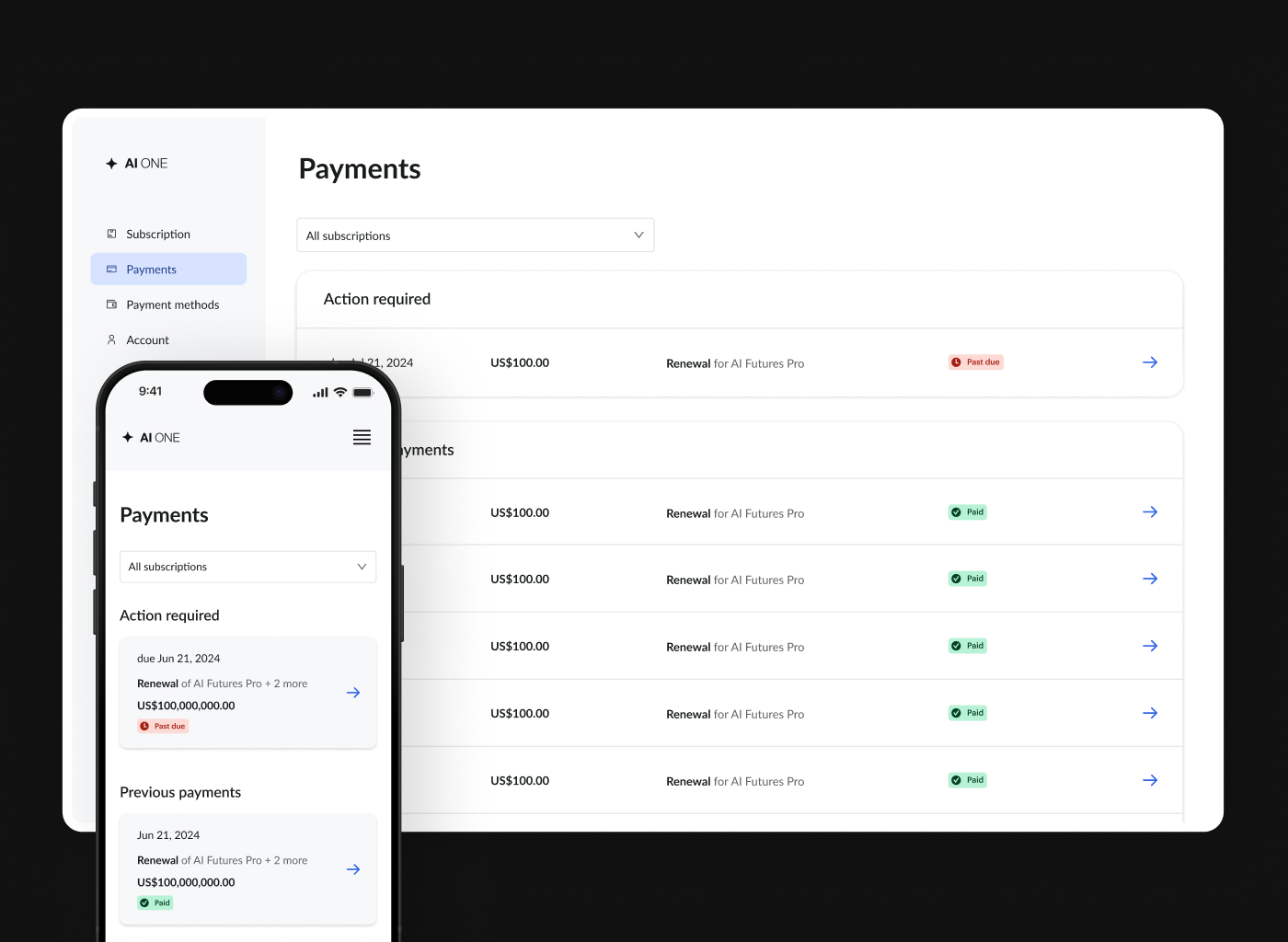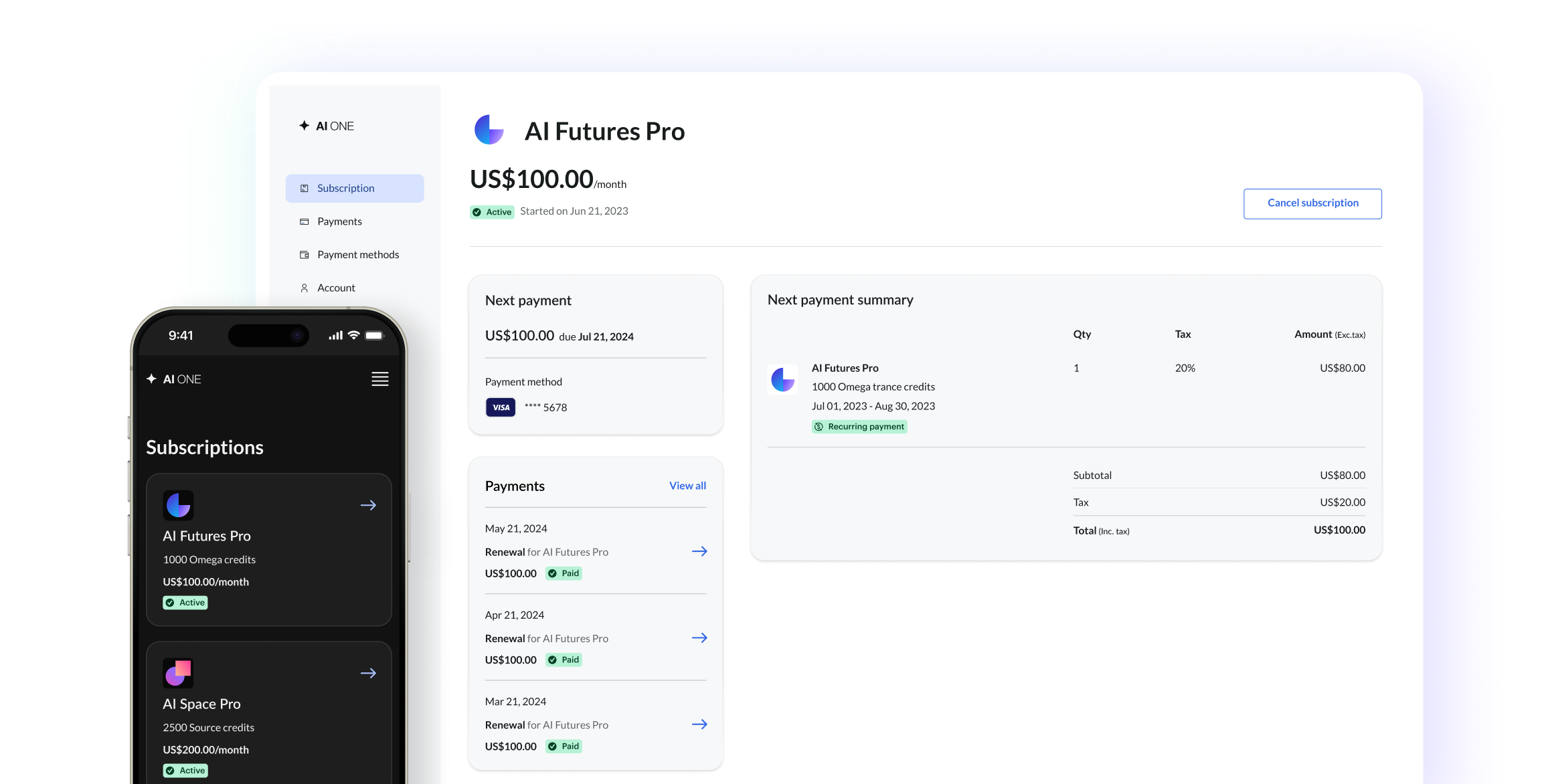
The Problem
"Paddle customers wanted to spend less time managing subscription requests and more time growing their businesses, making a self-serve customer portal the most requested feature in 2024."
What should have been simple actions—updating payment details, changing an address, or managing a subscription required raising a support ticket, either with the merchant or Paddle. As our first B2C product, this was further complicated by the need to securely manage payment methods, customer data, and authentication..
My Role
- End-to-end product design — zero to one
- Discovery calls with customers
- Prototype and usability testing
- Handoff and engineering collaboration
Starting from zero, I partnered with the lead PM to define the MVP, prioritise the most critical user flows, and shape the first self-serve experience seeing it through from concept to launch.
Process
Discovery
The PM and I engaged with customers across startups and mid-sized organisations to better understand their needs and challenges.
Define
Mapped the core jobs to be done for end-customers: pause, cancel, update payment details, view transaction history.
Design
Iterated on multiple portal concepts, using a blend of moderated and unmoderated testing with customers and end-users to shape the final experience.
Ship
Worked with multiple back-end payments & front-end delivery teams to bring the designs and product to life.
Research
Research focused on both sides of the portal understanding what end customers needed from a self-serve experience, and what Paddle customers needed to be able to configure and control.
- Spoke with customers to understand their support burden and what self-serve capabilities mattered most
- Liased with internal payments team regarding the new payment wallet and how it needed to work
- Audited competitor portals to identify table-stakes features and areas for differentiation
- Tested early prototypes with both customers and end customers to validate the core flows
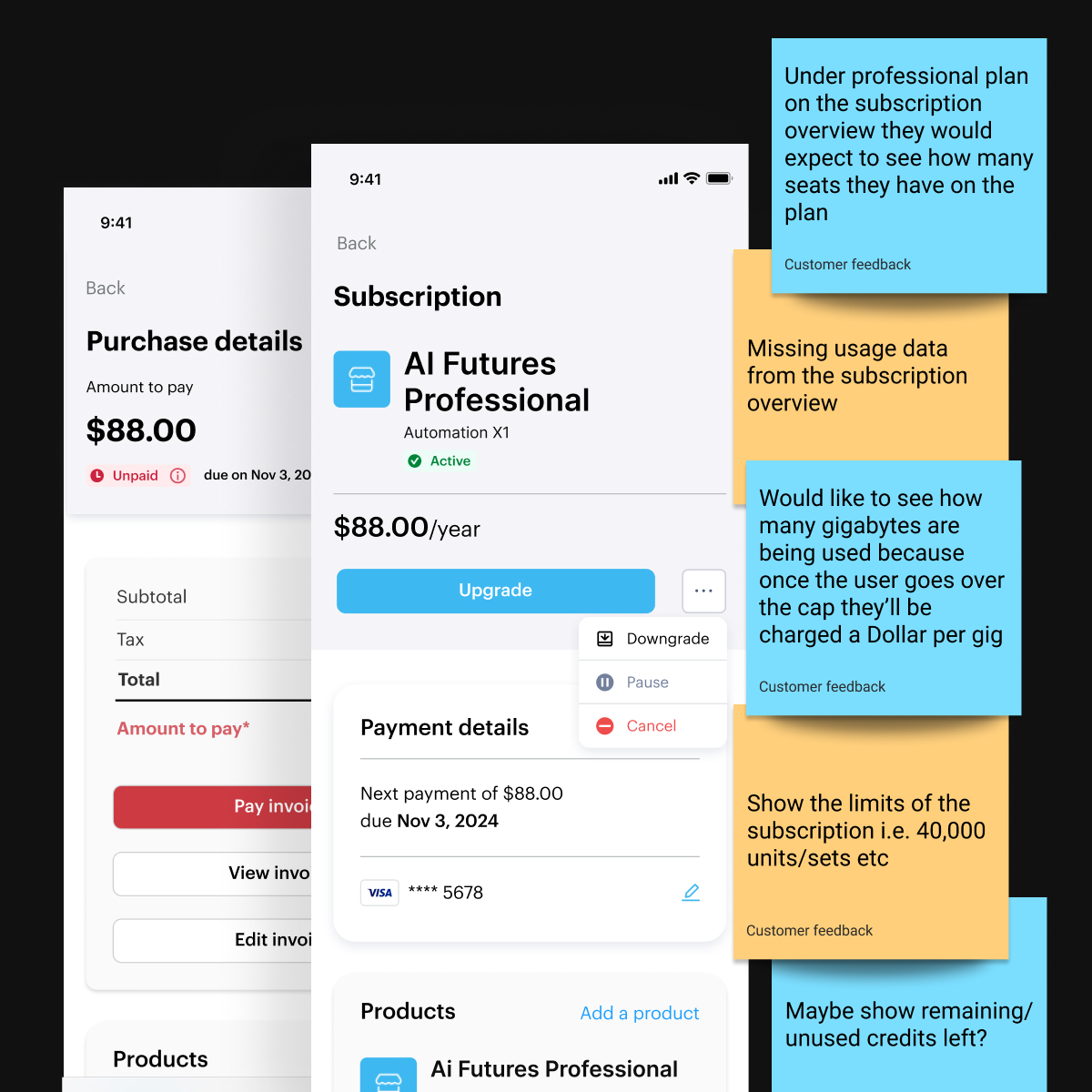
Early wireframes user tested with Paddle customers.
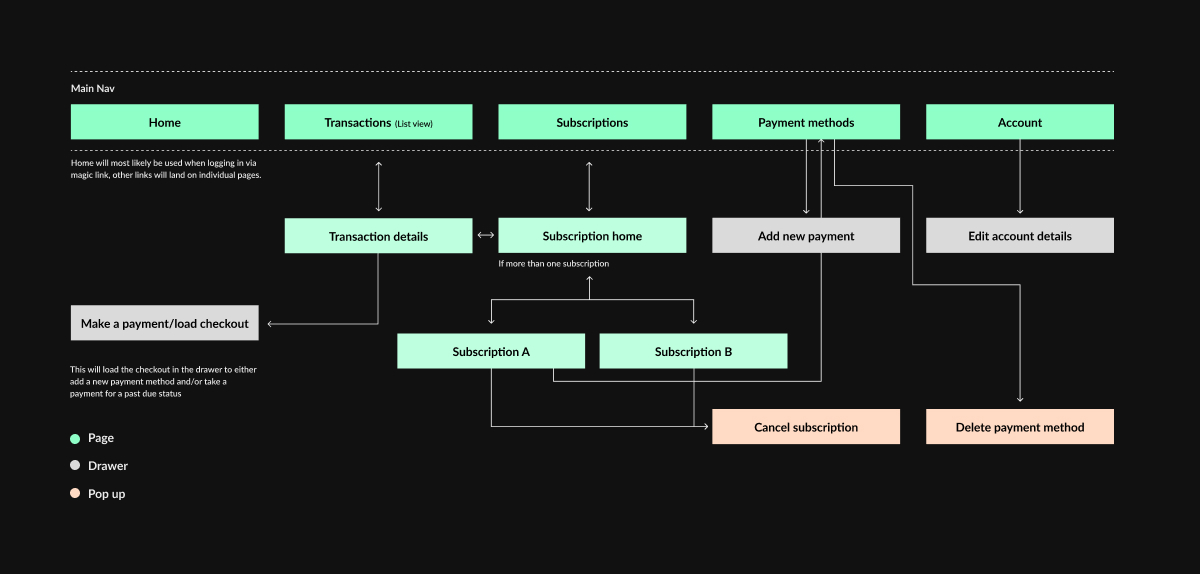
Initial portal map.
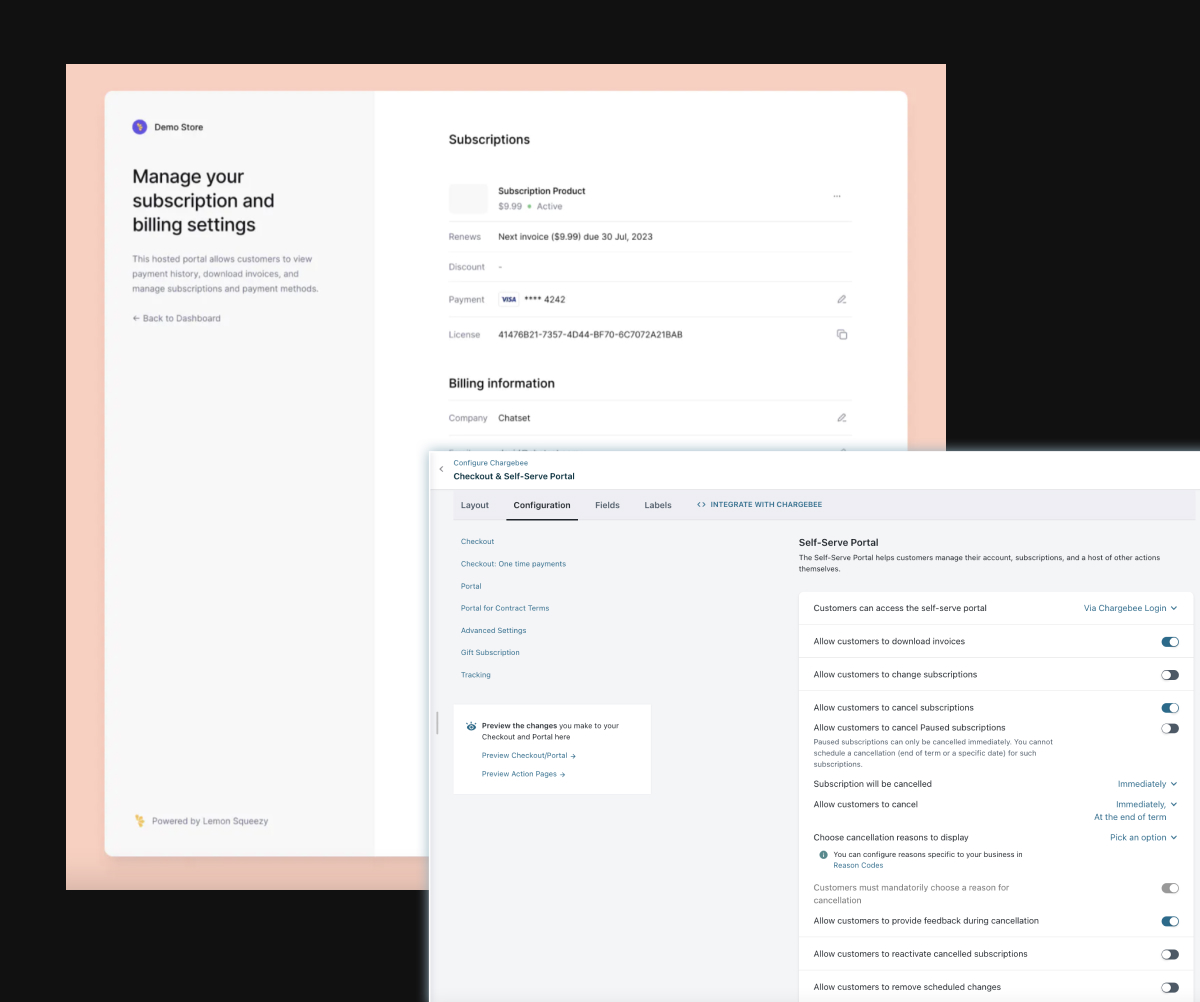
Competitor research.
Key Findings
End customers wanted self-sufficiency
Customers contacting sellers to cancel or update subscriptions felt friction on both sides. Self-serve wasn't just a nice-to-have it was expected.
Paddle customers needed configurability
Customers requested a wide range of features from bespoke branding to subscription upgrades and downgrades but we focused the MVP on core needs first. A one-size solution would fail both audiences.
Mobile was the primary access point
55% of portal traffic came from mobile in the first 30 days validating the decision to design mobile-first from the start.
Ideation
Early concept exploration and wireframing translating research insights into initial design directions before committing to a final approach.
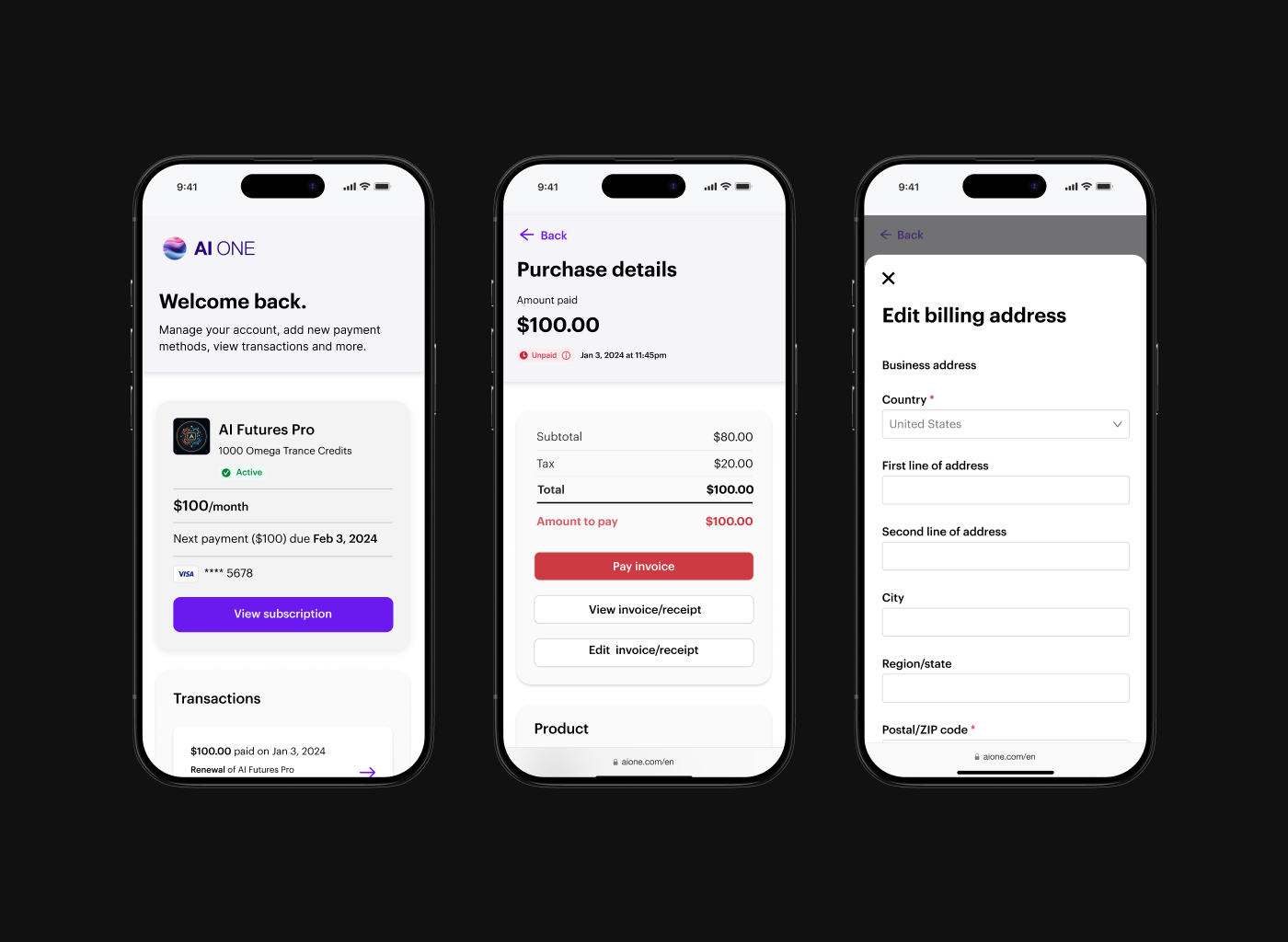
Early design iterations.
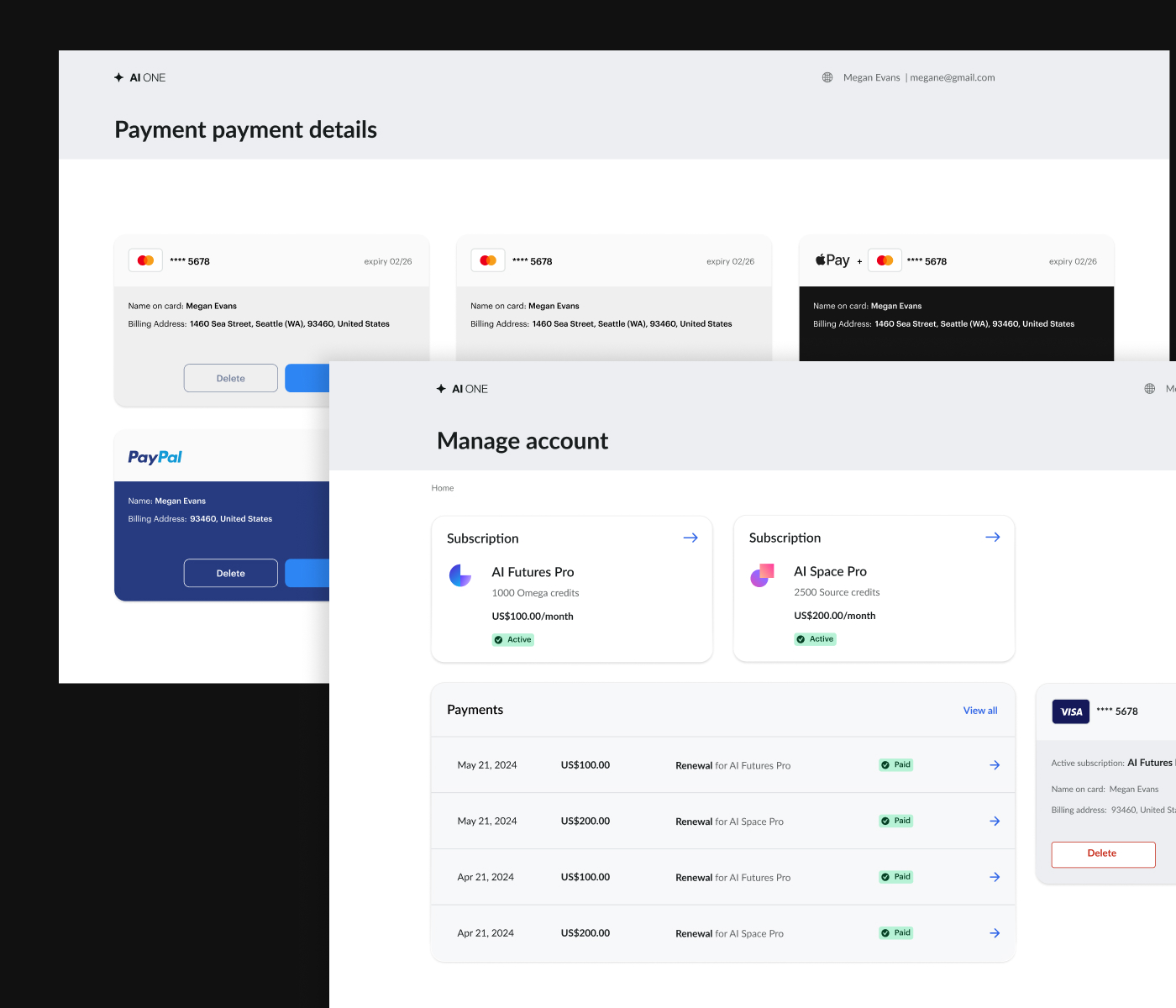
Initial portal map.
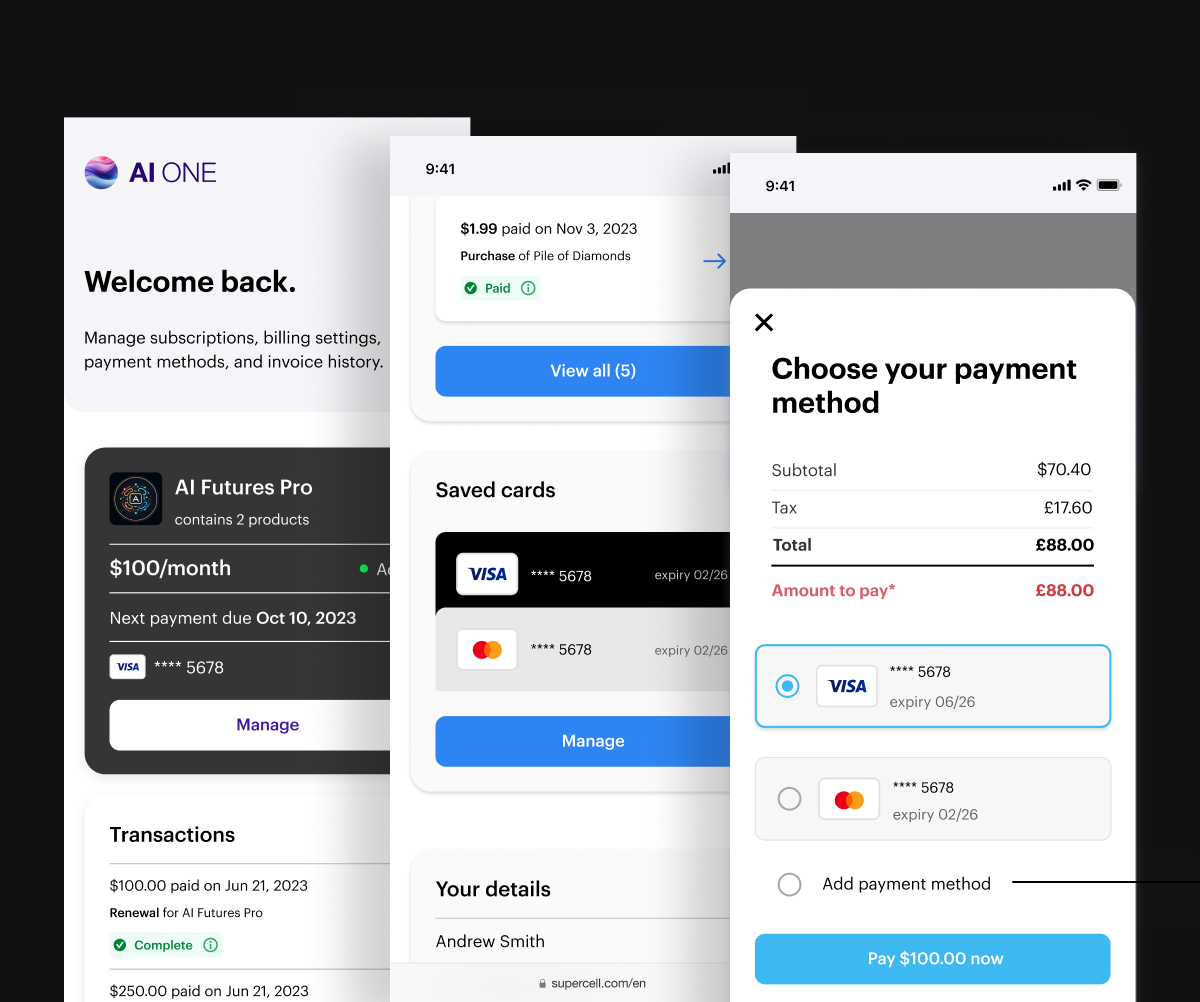
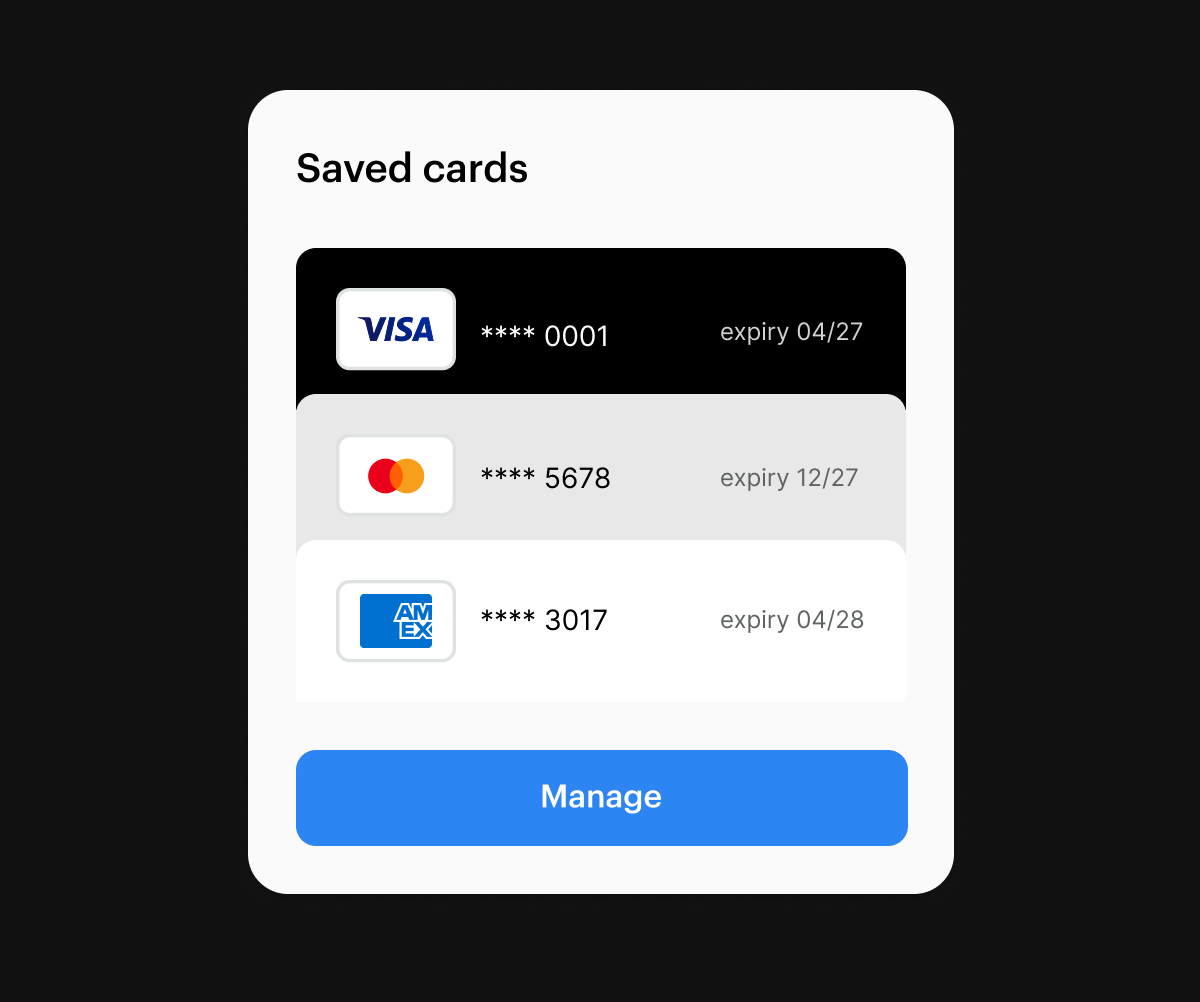
Additional portal design concepts.
Final Designs
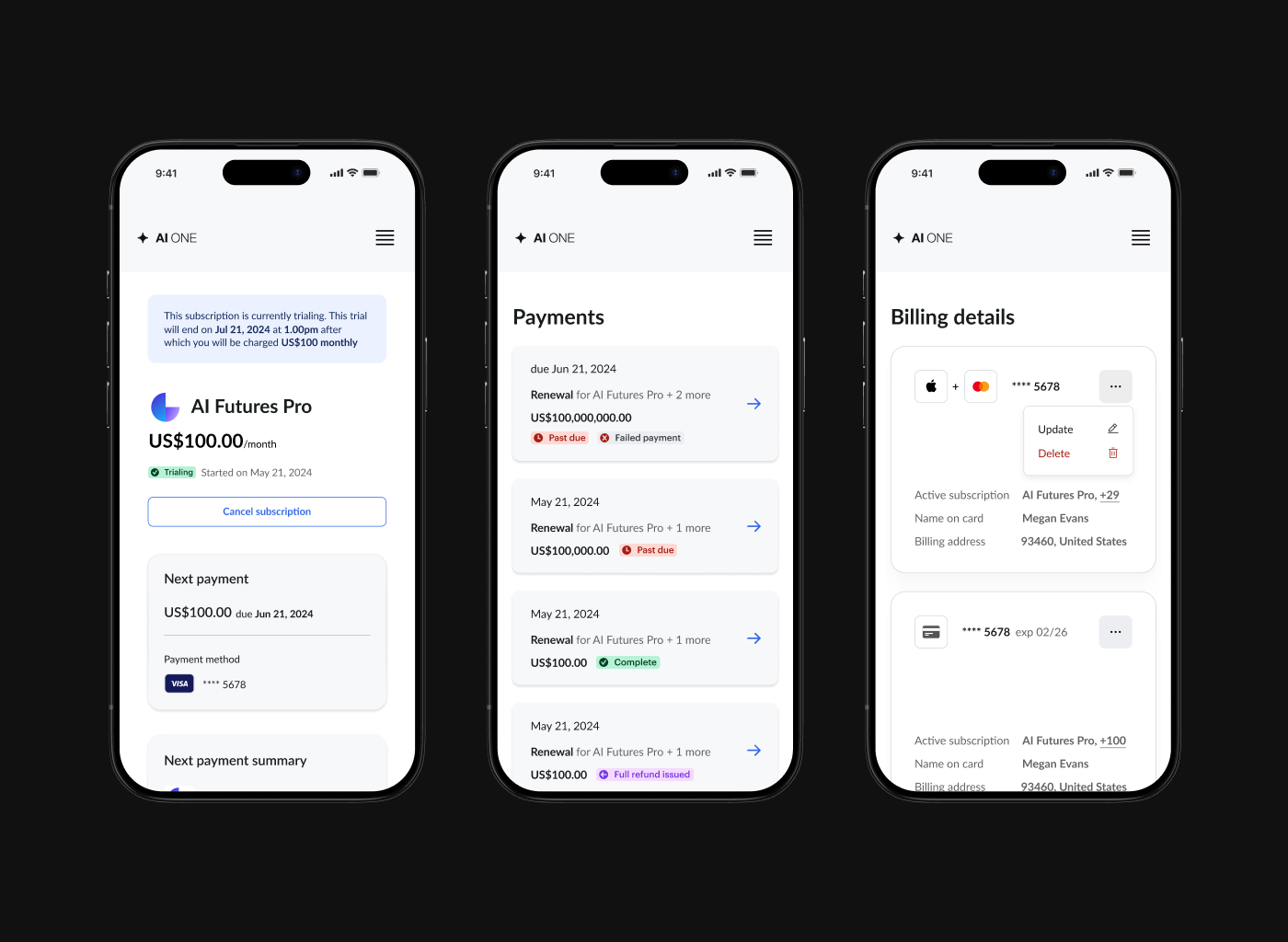
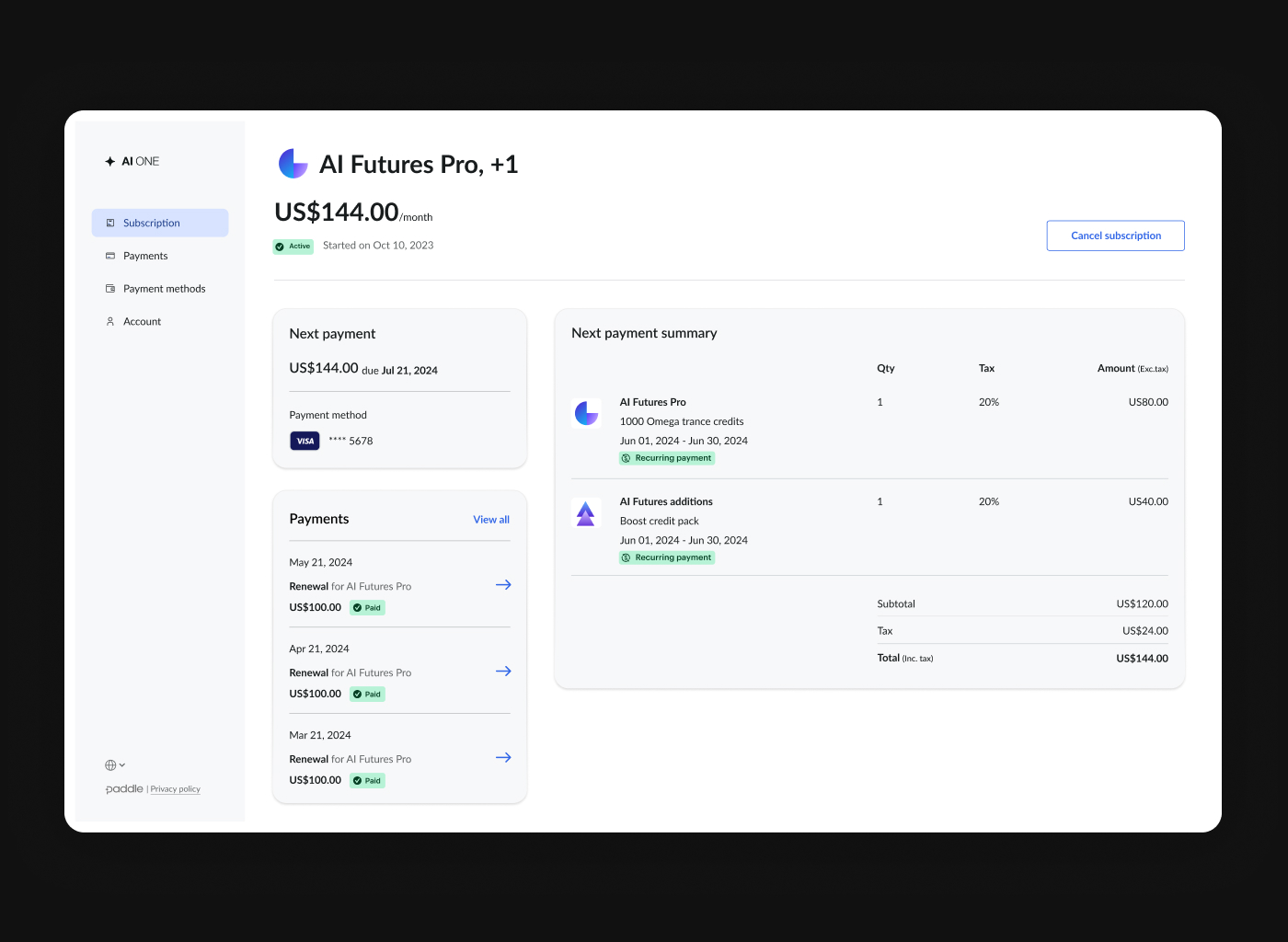
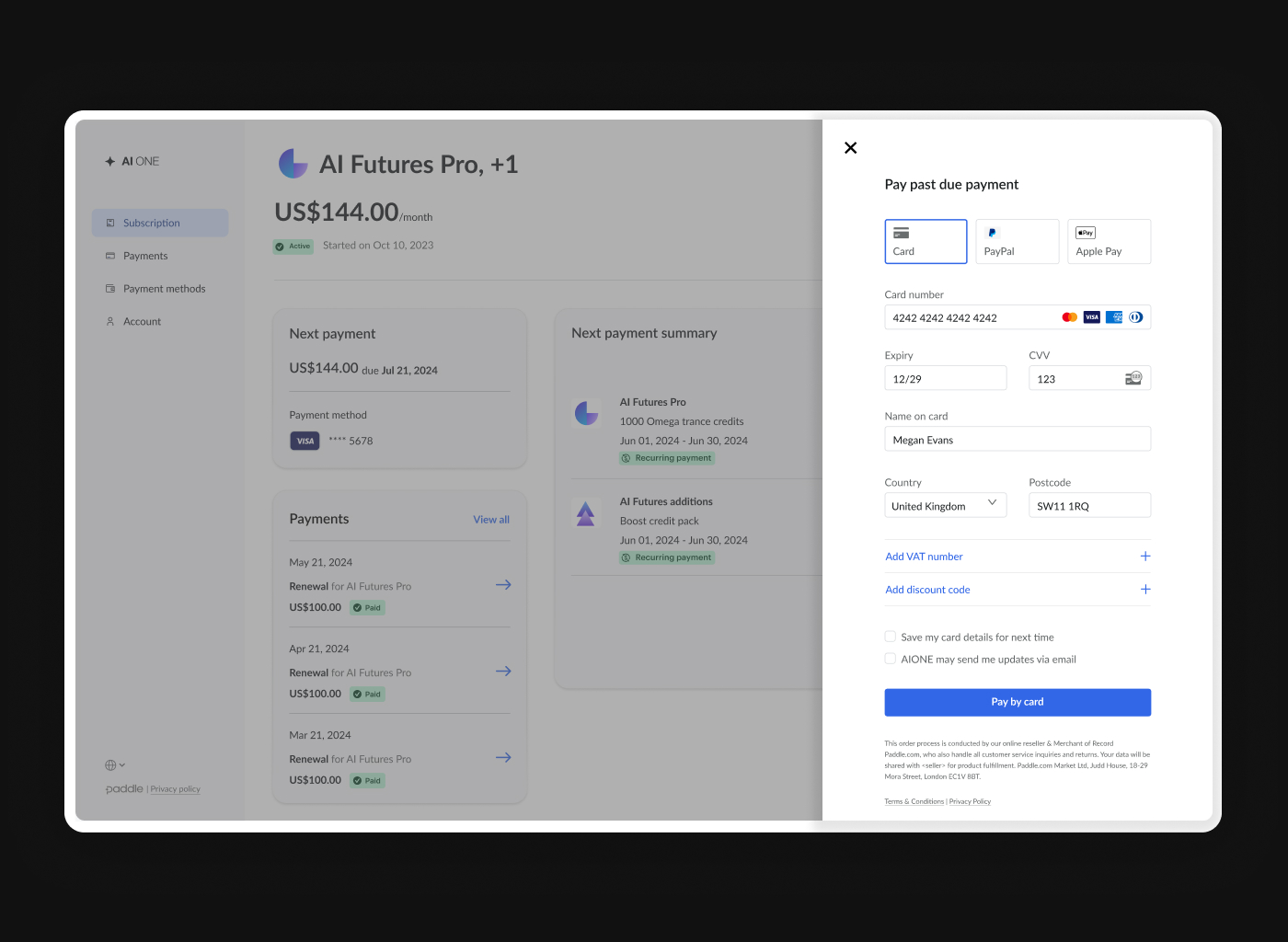
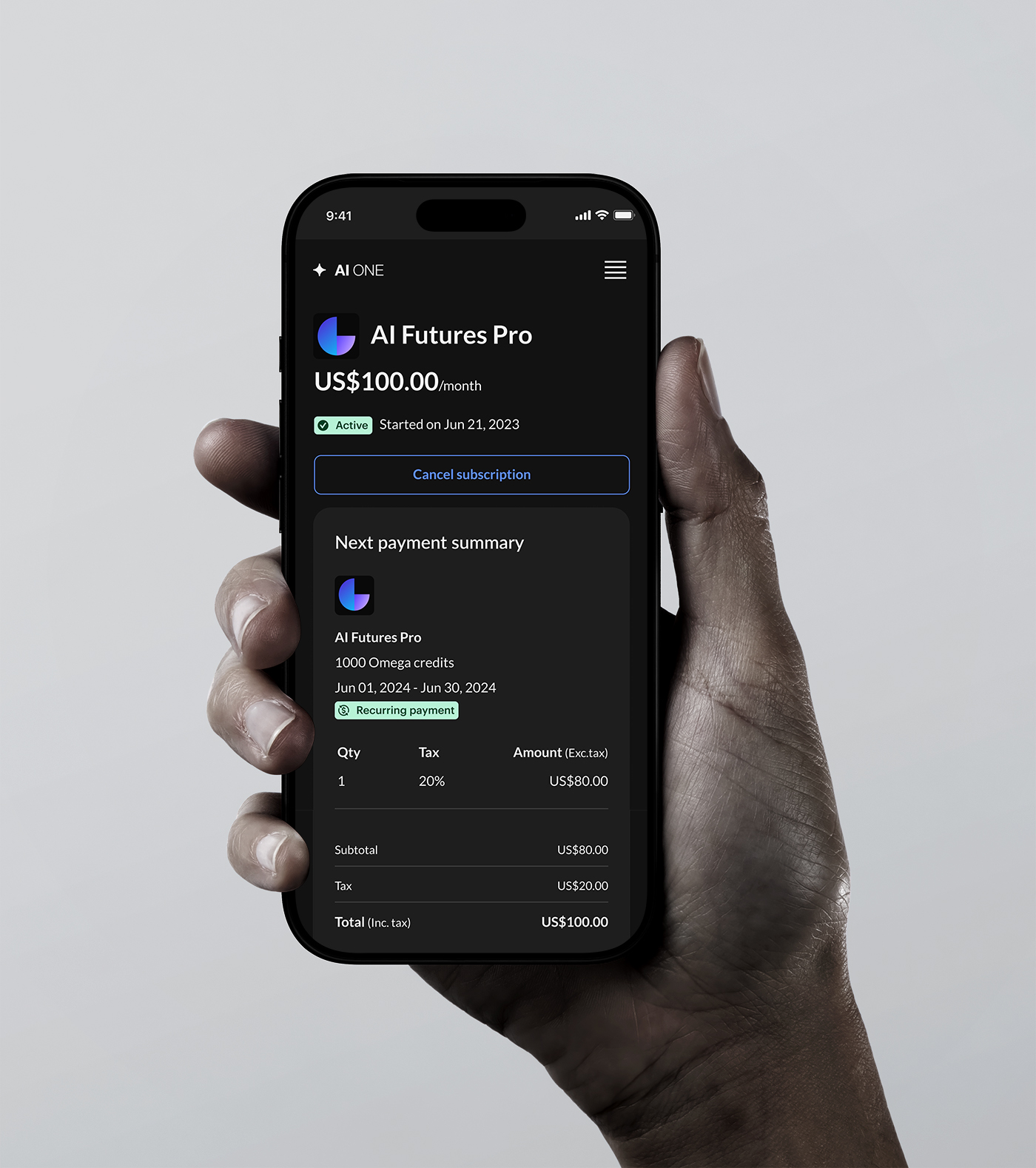
Selected screens